Food or “Food-like”?
Our great-grandparents just ate food, and it nourished them. But for the last century or so, modern diets have been gradually altered, with highly processed foods now making up the vast majority of the grocery store. People were not meant to have to discern between food and food-like items. This is a skill we now have to develop in order to actually feed our bodies.
When Food Is No Longer Food
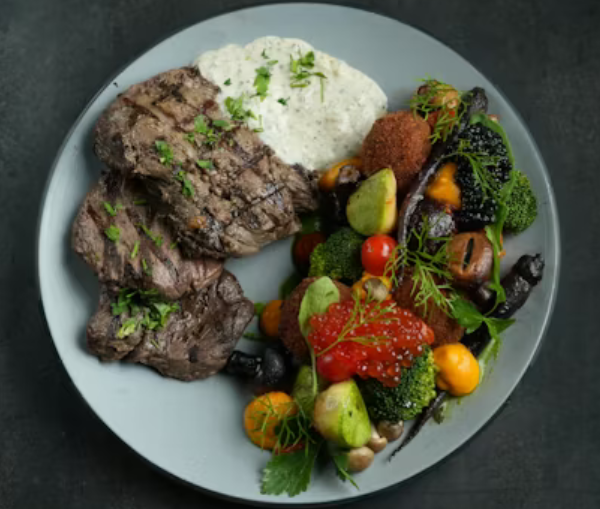
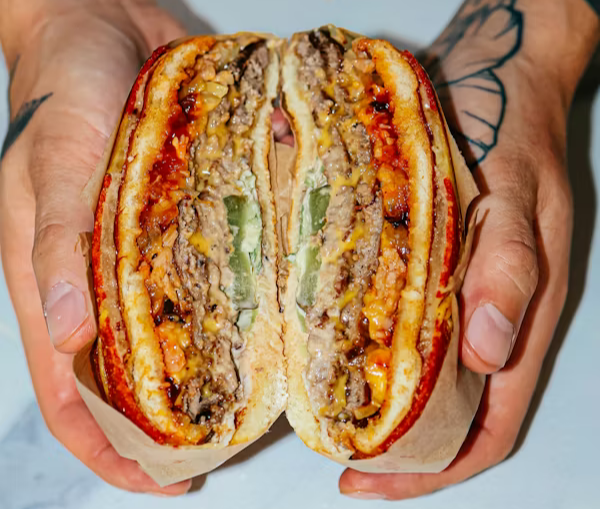
Our ancestors (and people living traditional lifestyles today) didn’t limit their food and didn’t struggle with weight or chronic diseases like modern societies. Everything they ate was real food.
Meanwhile, people living in developed nations are developing chronic diseases at ever-increasing rates. The cause is both diet and lifestyle, but in this post we will address the diet piece, sharing guidelines that aim to fill your belly and nourish your cells with real food, which brings healing and balance.
Sustainable Change
As you read, keep in mind that lasting change is best made a little at a time. Instead of heroic dietary overhauls, try one small change. Do that until it gets easy, then add something else. Here are some examples, but pick what works for you:
- Plan one healthy meal this week, maybe a beef and vegetable stew. Make enough for leftover lunches.
- Trade your morning granola bar for boiled eggs, hummus and veggies, or even leftover stew.
- Try to get one screen-free meal at a table with family or friends this week. It doesn’t have to be fancy. It’s the connection that counts.
Celebrate progress! Even if it wasn’t perfect. Change isn’t easy, which is why so many people stay stuck. Remember that the road to success is paved with failed attempts. This is how we learn. Celebrate that!
The Dos
Protein
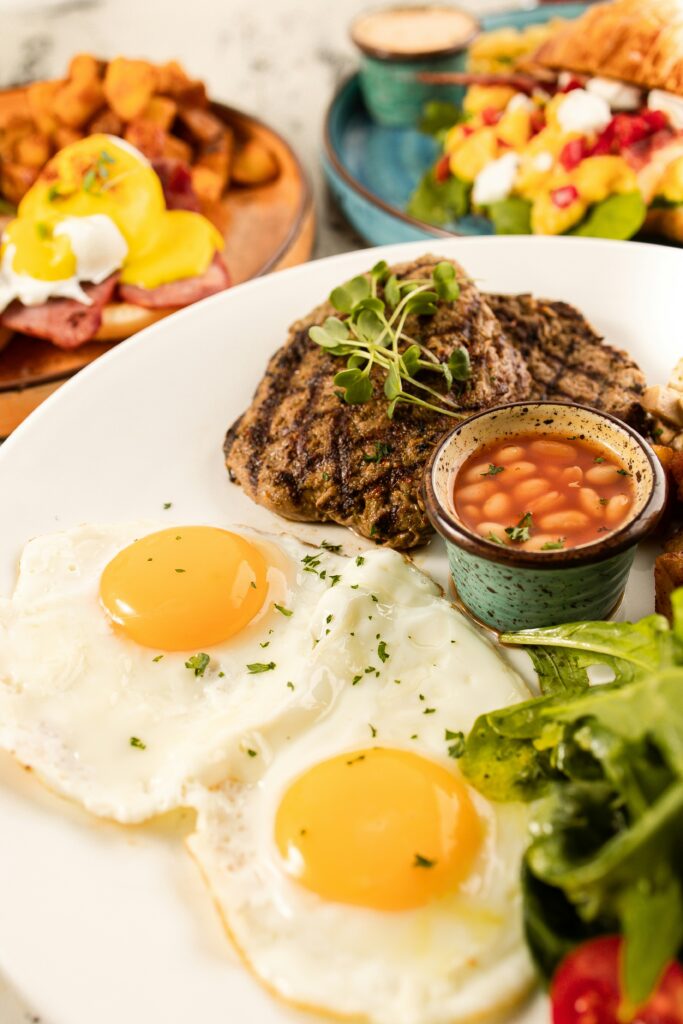
Protein supports healing, weight loss, muscle growth, and cognition. Eat 3-5 servings of unbreaded protein per day. (A serving is the size of your palm.)
Examples:
- Beef
- Chicken
- Fish
- Eggs
- Quinoa
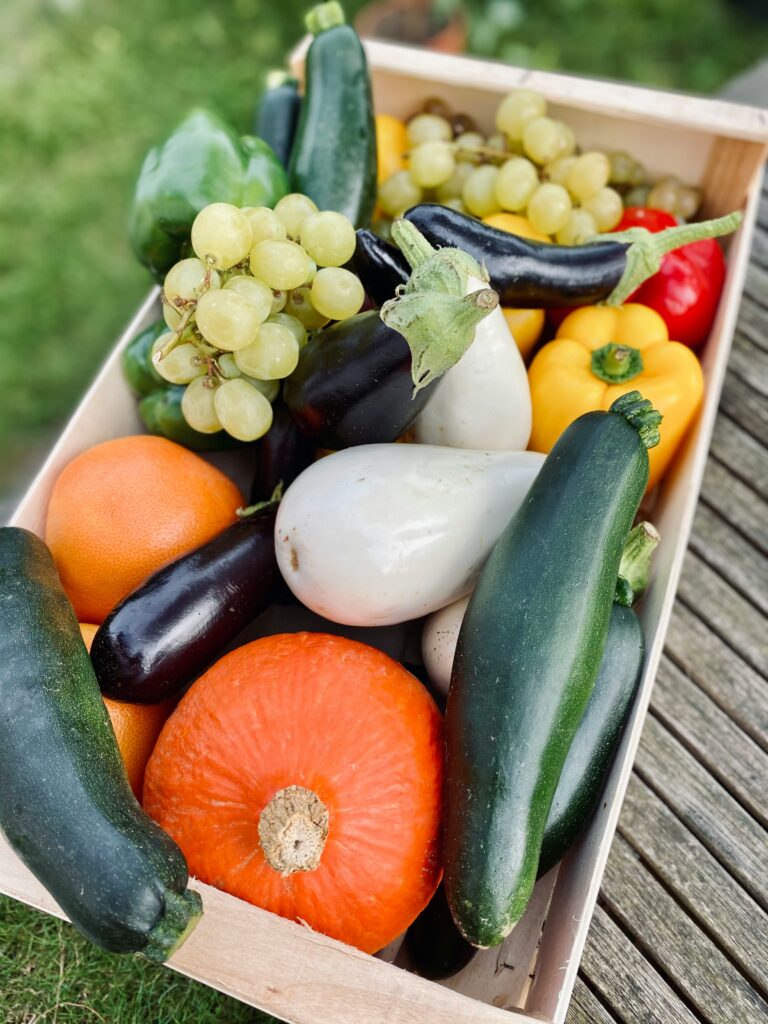
Vegetables
All vegetables are fair game. Eat at least 1 cup of veggies with every meal. Just remember, corn and potatoes don’t count. (Corn is a grain, and we lump potatoes in with that category as well.)
Fruit
Fruit is packed with vitamins and potassium. Eat 2-3 fresh fruit servings/day, and avoid juice or canned.
Fats
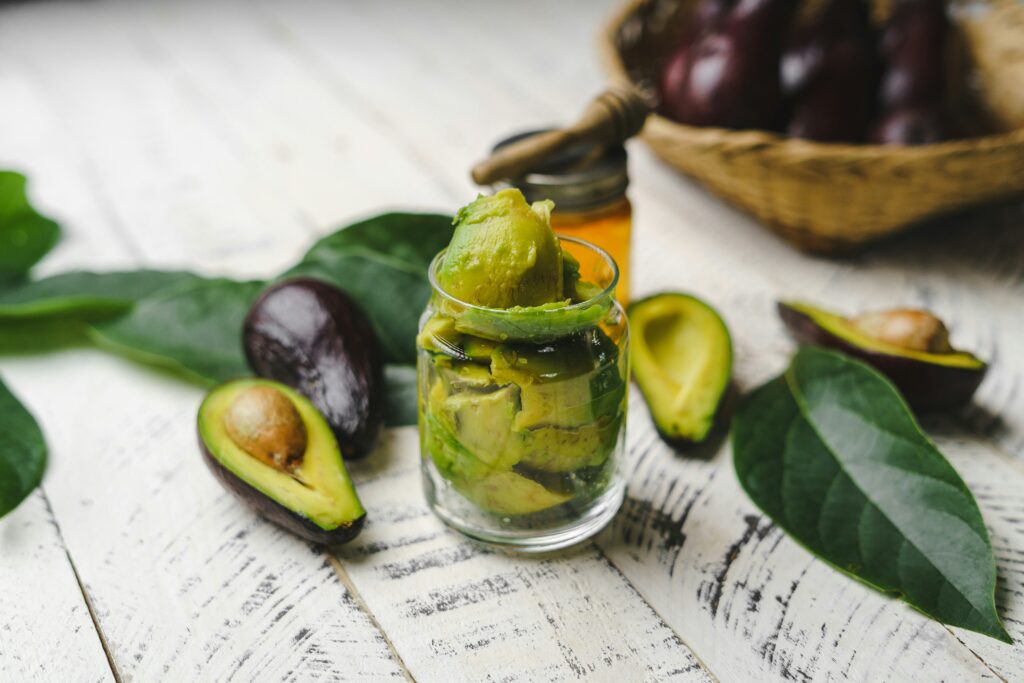
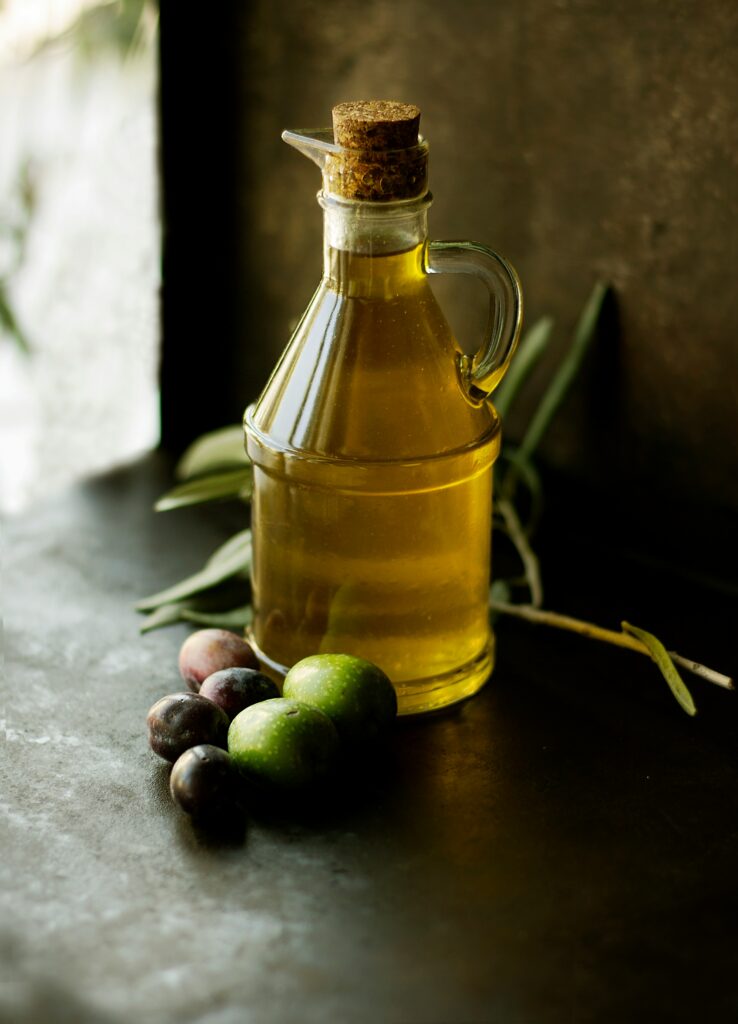
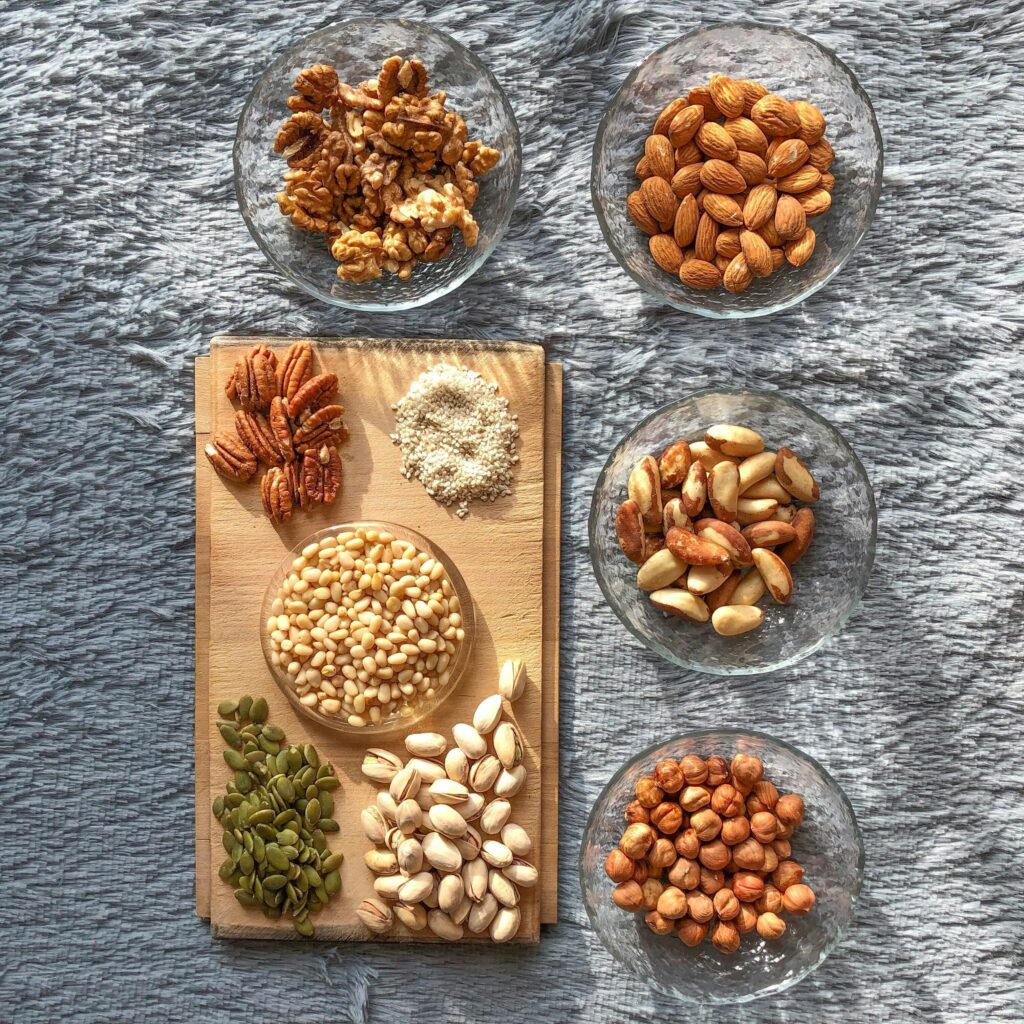
Fat makes you feel full and satisfied longer. It helps you absorb vitamins like A, D, and E. And it’s important for brain health. But there are good fats and bad fats. Good fats are plain nuts and seeds, extra-virgin olive oil, grass-fed butter, and coconut oil.
Whole Grains and White Potatoes
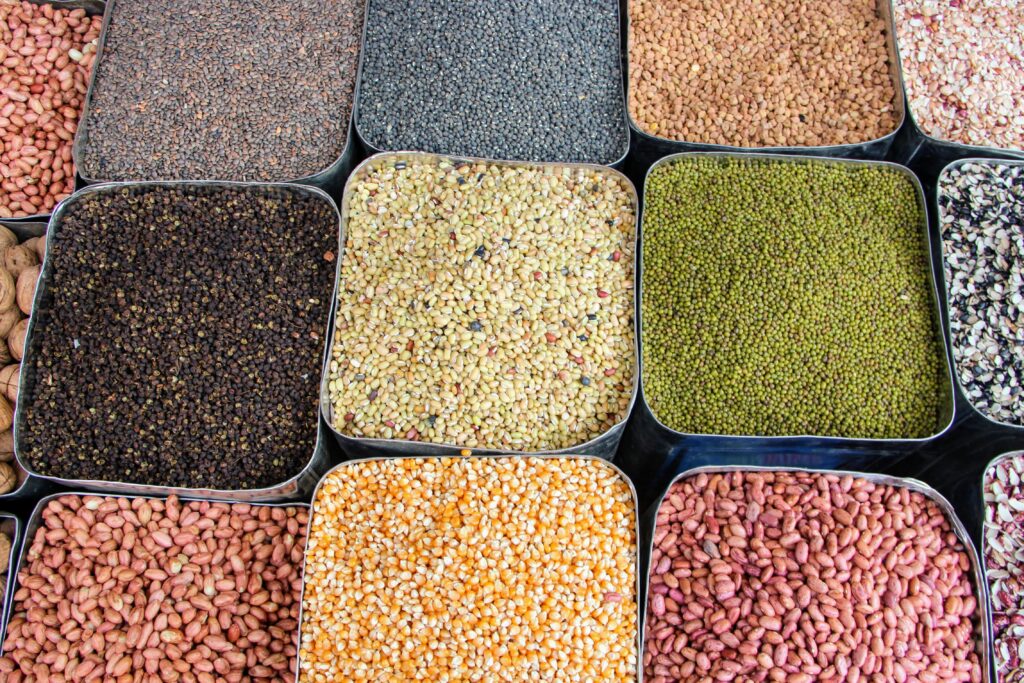
Eat these in moderation: 1/2 to 1 cup per meal is a good amount for most people. Although this varies with life stage, activity level, and other factors. Whole grains like quinoa, brown rice, and buckwheat are packed with minerals and fiber, but it’s important not to let these crowd out other important foods.
The Don’ts
Avoid Processed Food
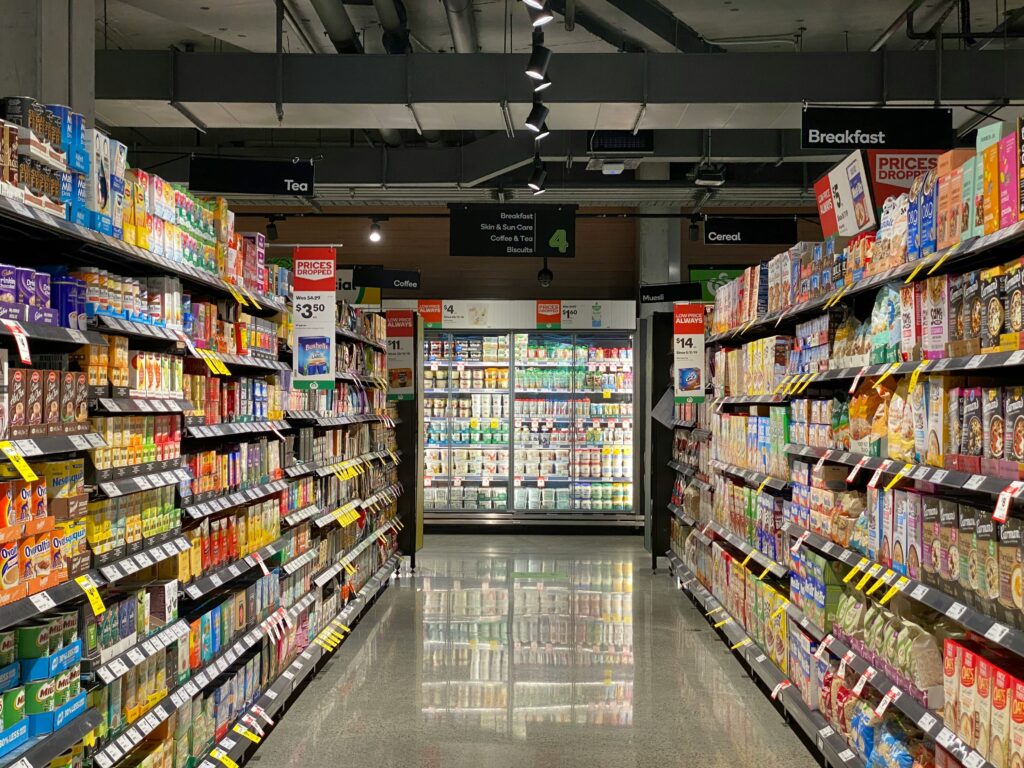
If it comes in a box or a bag, it’s probably a lot different from how it’s found in nature. Skip this, especially while you’re working toward change. Shop the perimeter of the store and pick food you would recognize in nature. Some red flags to avoid:
- Added sugar, including corn syrup.
- Artificial sweeteners. These synthetic chemicals have sketchy safety profiles and multiple studies suggesting adverse reactions both immediately and over time. The havoc they cause in your body means most people don’t even lose weight as a result of using these fake sweeteners instead of real sugar. If you want something sweet occasionally, opt for stevia or monk fruit.
- Seed oils and hydrogenated oils. These oils are unstable and tend to go rancid quickly at room temperature. They also denature with cooking, meaning by the time you eat them, they pack a hefty dose of free-radicals, molecules that cause damage in the body.
- Preservatives. This is most of the stuff towards the end of the ingredients that you can’t pronounce and doesn’t sound like food. BHT, sodium benzoate, potassium sorbate…
- Fruit juice. Sneaky, right? Even 100% juice is a processed food that can pack a massive sugar punch uninhibited by the fiber contained in a whole piece of fruit.
Avoid Stimulants
Coffee
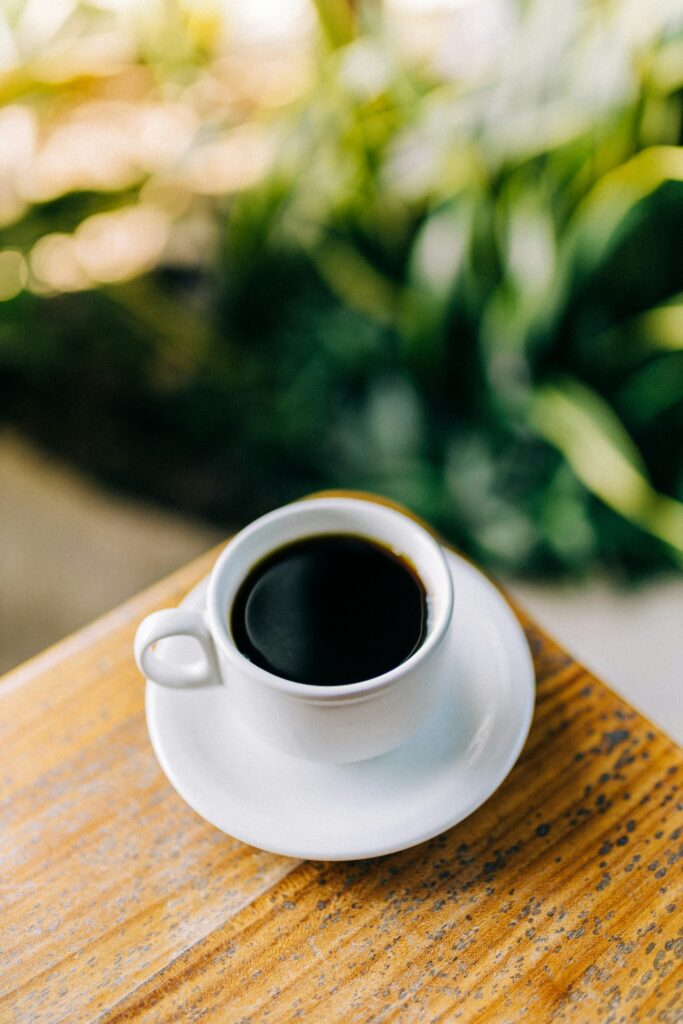
Many people can consume natural forms of caffeine in moderate amounts. The key here is natural forms and moderate amounts. One cup of black coffee or unsweetened tea may be well tolerated by some people, but too much creates overstimulation of the nervous system. This releases excess cortisol, the stress hormone, that triggers weight retention and metabolic dysfunction. Forms of caffeine with lots of sugar, food coloring, preservatives, and artificial flavors should be avoided altogether.
Another key to using caffeine wisely is to avoid it for at least an hour after waking, and for at least 8 hours before bedtime. Always wait to drink it until after breakfast
Alcohol
There is really no benefit to drinking alcohol, and your body has to work to remove what it sees as a toxin. This is definitely not a healing food. It can be enjoyed in moderation, but what does that mean? Here are a few guidelines if you want to employ moderation:
- Avoid drinking to the point where you feel buzzed.
- Avoid drinking more than once in a week.
- Avoid alcohol while you are working towards healing.
- Drink something your great-grandmother might have had, not something filled with sugar and food coloring.
- Keep it as a special occasion item.
Nourish Your Body
Remember, the goal here is nourishment. A fed body heals, so eat plenty of healthy, natural foods. Diets that leave you feeling hungry put your body into a state of “fight-or-flight”, but healing happens when we are in “rest-digest” mode. Take small steps towards lasting change, and move at a pace that works for you. When you eat real foods, your body will gradually learn to crave what it needs, and your innate intuition about food can be restored.
*This information is for educational purposes only, and is not intended as medical advice. Please consult with a healthcare professional before making any changes.